
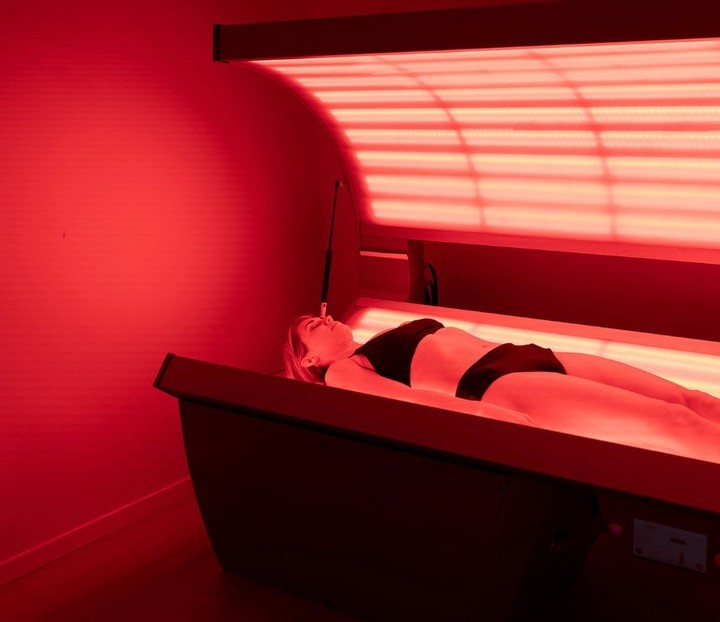
Red light therapy has emerged as a popular technique in the realm of sports science and physical wellness, particularly for its ability to accelerate muscle recovery. This non-invasive treatment utilizes specific wavelengths of light to penetrate the skin and stimulate cellular processes, fostering an environment conducive to healing and regeneration. Athletes and fitness enthusiasts alike are increasingly turning to this innovative therapy to enhance their performance and minimize downtime after intense workouts.
The science behind red light therapy is grounded in its ability to enhance mitochondrial function, improving energy production within cells. This increased ATP (adenosine triphosphate) output leads to faster recovery from muscle fatigue, reduced soreness, and improved overall muscle function. With numerous studies highlighting its benefits, red light therapy is not just a passing trend, but a well-researched modality that promises to revolutionize how athletes approach recovery and physical rehabilitation.
Benefits of Red Light Therapy
The benefits of red light therapy extend beyond muscle recovery, offering a range of positive effects that can contribute to overall athletic performance. By enhancing circulation, this therapy helps to deliver essential nutrients and oxygen to recovering muscles, reducing inflammation and promoting a quicker return to peak performance levels. Furthermore, red light therapy has been shown to improve skin health and reduce the appearance of scars, making it valuable for athletes who may experience skin injuries from training and competition. For those interested in exploring the advantages of this treatment, Red Light Therapy For Muscle Recovery highlights both its practical applications and the underlying scientific principles.
Practical Applications in Sports
Athletes have begun integrating red light therapy into their training regimens to optimize performance and facilitate recovery. Many sports facilities and rehabilitation clinics now offer sessions with red light therapy devices, allowing easy access for athletes looking to enhance their recovery protocols. From professional teams to weekend warriors, the application of this therapy is versatile, accommodating various fitness levels and recovery needs. As the body of research continues to grow, red light therapy is poised to become a staple in the toolkit of modern athletes striving for excellence in their physical pursuits.
In conclusion, red light therapy stands out as a pioneering approach to muscle recovery, tapping into the body’s natural healing processes to enhance athletic performance and minimize recovery time. Its ability to stimulate cellular energy production not only accelerates the healing of muscles but also fosters improved circulation, reduced inflammation, and overall enhanced well-being. As more athletes and fitness enthusiasts recognize the tangible benefits of incorporating this innovative treatment into their routines, red light therapy is set to become an essential element of sports science, transforming recovery methods and paving the way for optimal performance in competitive and recreational settings alike.