

Electricians are skilled professionals who play a crucial role in our daily lives by ensuring that electrical systems and components function safely and efficiently. From residential wiring to industrial electrical installations, these experts are trained to tackle a wide range of tasks, including troubleshooting, repairs, and maintenance of electrical systems. With the growing demand for energy-efficient solutions and the advancement of smart technology, electricians are more important than ever in helping us navigate the complexities of modern electrical needs.
This article delves into the diverse responsibilities of electricians, the various specialties within the field, and the skills required to succeed in this profession. We will explore the educational pathways to becoming a licensed electrician, the different work environments they may encounter, and the importance of adhering to safety regulations. Whether you’re considering a career in electrical work or simply want to understand the value that electricians bring to our homes and businesses, this comprehensive guide will illuminate the vital contributions of these essential tradespeople.
Responsibilities and Specialties
Electricians are responsible for installing, maintaining, and repairing a wide range of electrical systems, including lighting, wiring, and circuit boards. Their expertise extends to both residential and commercial settings, where they often work with complex systems that require precision and adherence to local codes. Specialties within the field can include residential electricians, commercial electricians, industrial electricians, and maintenance electricians, each focusing on specific areas to accommodate the diverse demands of clients. Additionally, electricians must possess strong problem-solving skills to diagnose electrical issues effectively and implement safe, practical solutions.
Career Pathways and Safety Regulations
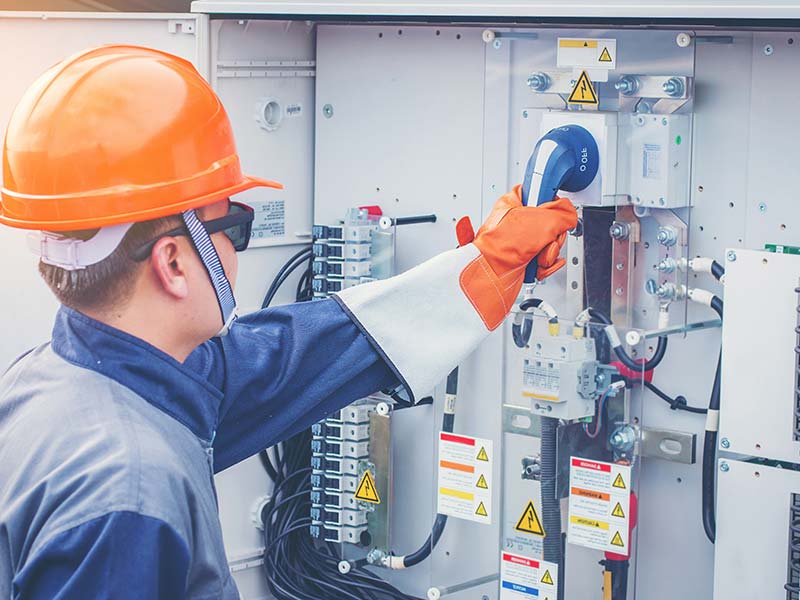
To become a licensed electrician, individuals typically undergo a combination of formal education and hands-on apprenticeship training, ensuring they are well-versed in industry standards and regulations. Safety is paramount in this profession, as electricians frequently work with high voltages and in potentially hazardous conditions. Organizations like electricians pasco vale emphasize the importance of safety training, which includes understanding electrical codes, proper use of equipment, and recognizing environmental risks. By maintaining rigorous safety standards, electricians not only protect themselves but also ensure the well-being of those around them.
In conclusion, electricians are not just technicians; they are essential contributors to the safety, functionality, and sustainability of our communities. Their diverse skill set and adherence to safety regulations enable them to address a multitude of electrical challenges, making them indispensable in both residential and commercial environments. As the demand for innovative electrical solutions continues to rise particularly with the integration of smart technology and renewable energy sources the role of electricians will only become more significant. By investing in their education and training, electricians stay at the forefront of industry advancements, ensuring that they can provide effective and safe electrical services for years to come. Whether it’s through installing new systems, troubleshooting existing problems, or contributing to energy efficiency initiatives, electricians remain a vital force in shaping a reliable and sustainable electrical infrastructure.