
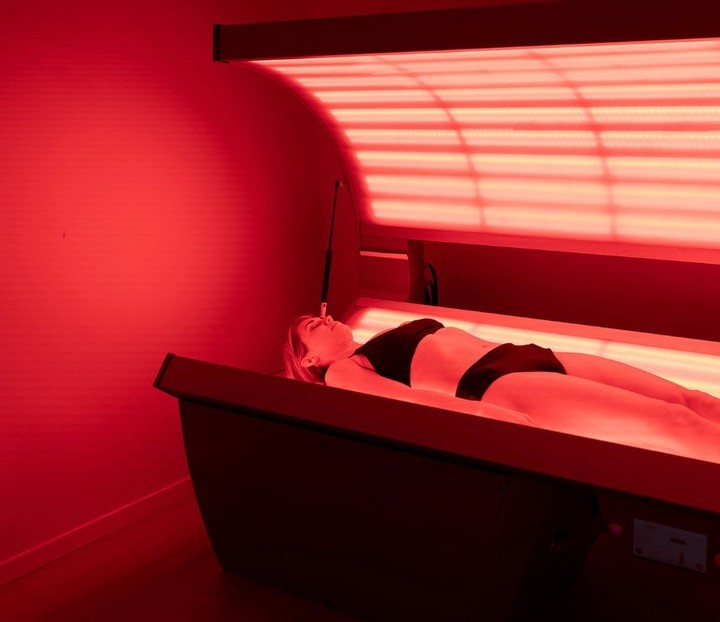
In recent years, light therapy devices have emerged as a popular solution for a variety of health and wellness concerns, ranging from seasonal affective disorder (SAD) to skin rejuvenation and sleep improvement. These innovative gadgets harness the power of light to stimulate biological processes in the body, offering a non-invasive alternative to traditional treatments. With the increasing awareness of mental health and the quest for holistic wellness, the market for light therapy devices has expanded, making it essential to understand their benefits, applications, and effectiveness.
This article delves into the science behind light therapy, exploring how different wavelengths and intensities of light can lead to therapeutic effects. We’ll review various types of light therapy devices available today, including LED masks, light boxes, and handheld units, while also examining the clinical research supporting their use. Whether you’re seeking relief from mood disorders, skin issues, or sleep disturbances, understanding light therapy can empower you to make informed decisions about integrating these devices into your wellness routine.
Understanding Light Therapy Mechanisms
Light therapy operates on the premise that specific wavelengths of light can influence biological processes in the body. This includes the production of serotonin, which significantly impacts mood, and melatonin, essential for regulating sleep cycles. For instance, bright white light is commonly used to combat seasonal affective disorder (SAD) by mimicking natural sunlight, thereby helping to alleviate symptoms of depression during darker months. Similarly, red and near-infrared wavelengths have been shown to promote collagen synthesis in the skin, making them effective in treatments aimed at reducing fine lines and wrinkles. Different devices, such as Light Therapy Devices, utilize these specific wavelengths to tailor treatments based on individual needs.
Clinical Evidence and Applications
Numerous studies have highlighted the effectiveness of light therapy in various applications, supporting its role in both psychological and dermatological health. Clinical trials have demonstrated significant improvements in mood and sleep patterns among individuals using light boxes, while research also backs the efficacy of LED masks in decreasing acne and enhancing skin tone. As light therapy gains traction within both medical and consumer markets, ongoing research is expanding its potential uses, paving the way for new therapeutic strategies. With a growing array of devices available, users can now find tailored solutions that suit their specific wellness goals.
In conclusion, light therapy devices represent a groundbreaking advancement in holistic wellness, leveraging the power of light to enhance mental and physical health. As increasing evidence supports their efficacy in treating a range of conditions—from mood disorders to skin issues—individuals are empowered to incorporate these non-invasive solutions into their daily routines. By selecting the right device and understanding the specific wavelengths and applications suited to their needs, users can unlock the transformative benefits of light therapy. As the field continues to evolve, ongoing research is likely to unveil even more therapeutic possibilities, solidifying light therapy’s place as a foundational element in the pursuit of optimal health and well-being.