
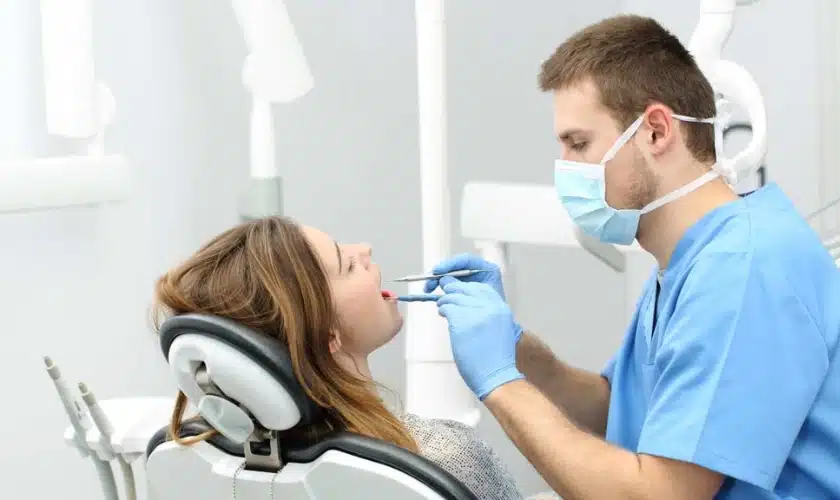
When it comes to maintaining oral health, the role of a dentist is paramount. These skilled professionals not only diagnose and treat a variety of dental issues but also play a crucial role in educating patients about the importance of good oral hygiene. Regular visits to the dentist can help prevent cavities, gum disease, and other serious dental conditions, ensuring a healthy smile for years to come.
In addition to routine check-ups and cleanings, dentists provide a range of services from cosmetic procedures to restorative treatments. This article will delve into the various aspects of dentistry, exploring the different types of dental specialists, common treatments, and how advances in technology are transforming the dental experience. Whether you’re seeking information for yourself or a loved one, understanding the vital functions of dentists can empower you to make informed decisions about oral care.
Types of Dental Specialists
Dental care encompasses a variety of specialties, each focusing on different aspects of oral health. General dentists are often the first point of contact, providing routine cleanings, examinations, and basic restorative services. However, some patients may require the expertise of specialists such as orthodontists, who align teeth and adjust bites, or periodontists, who focus on gum health and treat gum diseases. Additionally, oral and maxillofacial surgeons perform complex procedures like tooth extractions and jaw surgery. For those seeking to enhance their smiles, cosmetic dentists offer treatments including whitening, veneers, and bonding, combining aesthetics with functionality to meet individual patient needs. If you’re looking for skilled professionals, consider checking out a Dentist Sandy UT who can guide you in finding the right care.

Advancements in Dental Technology
The field of dentistry is rapidly evolving, thanks to advancements in technology that improve both diagnosis and treatment options. Tools such as digital X-rays and intraoral cameras provide dentists with high-resolution images, enabling more accurate assessments of a patient’s condition. Additionally, the introduction of laser dentistry has transformed procedures, allowing for less invasive treatments and faster recovery times. Furthermore, technological innovations like CAD/CAM systems facilitate same-day crown and bridge fabrication, significantly reducing the time spent in the dental chair. As technology continues to advance, patients can expect not only greater efficiency during their appointments but also enhanced outcomes in their dental health journey.
In conclusion, the significance of dentists in maintaining optimal oral health cannot be overstated. Their expertise spans a wide range of specialties, ensuring that each patient receives tailored care according to their unique dental needs. The integration of cutting-edge technology into dental practices has revolutionized traditional techniques, making procedures quicker and less uncomfortable while providing better diagnostic capabilities. Whether it’s addressing a dental emergency, enhancing the appearance of a smile, or simply providing routine care, dentists play an indispensable role in fostering long-term oral wellness. As patients become more informed and proactive about their dental health, the partnership between individuals and dental professionals will ensure brighter and healthier smiles for generations to come.