
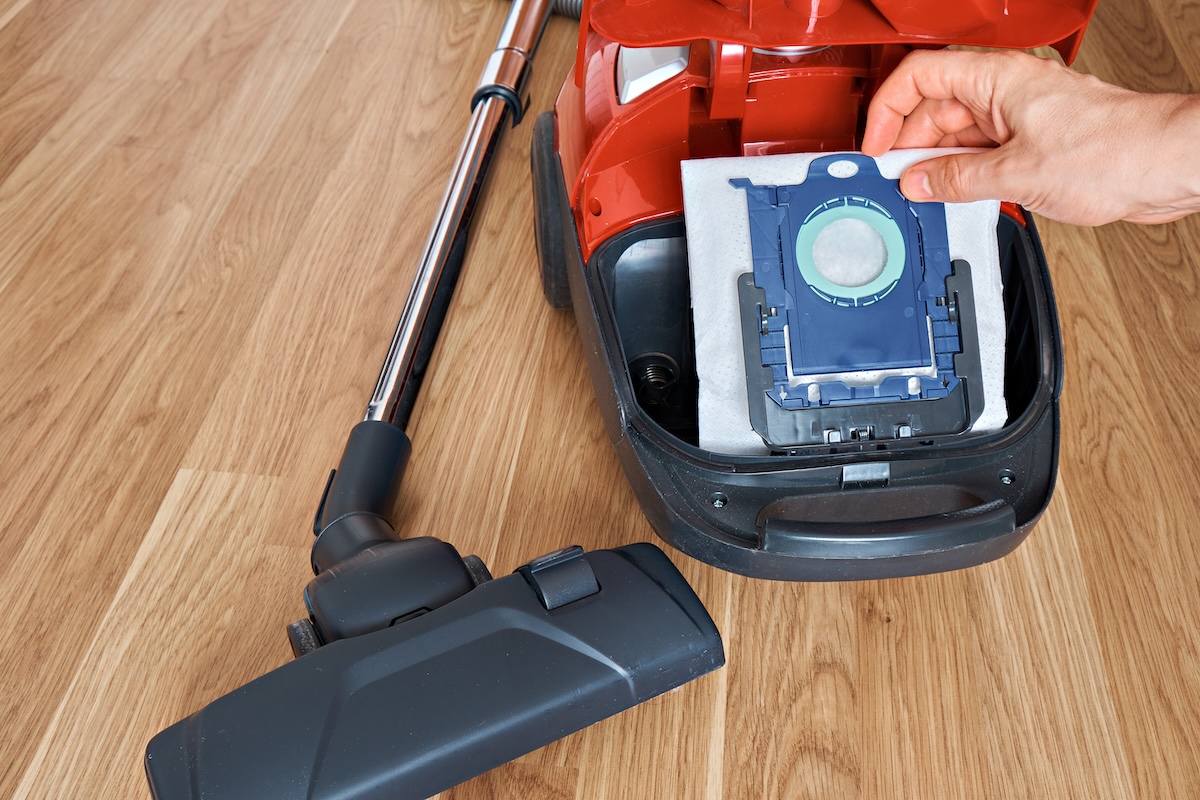
In the modern era of home cleaning, vacuum cleaners have become indispensable tools for maintaining a spotless living environment. However, the effectiveness of these powerful machines largely depends on the quality and condition of their filters. Vacuum cleaner filters play a crucial role in trapping dust, allergens, and other pollutants, ensuring that the air in our homes remains clean and safe to breathe. Understanding the various types of filters available, as well as their maintenance and replacement needs, is essential for maximizing the performance of your vacuum cleaner.
This article delves into the significance of vacuum cleaner filters, exploring the different types—such as HEPA, foam, and carbon filters—and their specific functions. We will also discuss helpful tips for filter maintenance, when to replace them, and how proper filter care can enhance the longevity of your vacuum cleaner. By the end of this guide, you’ll have a comprehensive understanding of how to keep your vacuum cleaner running efficiently, ensuring a cleaner and healthier home for you and your family.
Types of Vacuum Cleaner Filters
Different types of vacuum cleaner filters serve distinct purposes, directly impacting air quality and machine performance. HEPA filters are renowned for their ability to capture 99.97% of particles as small as 0.3 microns, making them ideal for allergy sufferers. Foam filters, on the other hand, are designed to trap larger particles and are usually washable, while carbon filters help eliminate odors by absorbing volatile organic compounds. Understanding these variations is crucial, and for comprehensive information on how to choose the right Vacuum Cleaner Filter, homeowners should consider their specific cleaning needs and the allergens present in their environment.

Maintenance and Replacement Tips
Regular maintenance of vacuum cleaner filters is essential for optimal performance and longevity. Depending on usage, HEPA filters typically need replacing every six to twelve months, while foam filters may only require regular cleaning and can last for several years. It’s vital to check filters periodically for signs of wear, damage, or excessive buildup of dirt and debris. By replacing or cleaning filters on time, you not only ensure effective suction power but also prolong the lifespan of your vacuum cleaner, ultimately saving you time and money in the long run.
In conclusion, understanding the role of vacuum cleaner filters is imperative for anyone looking to maintain a clean and healthy home. Whether you opt for HEPA, foam, or carbon filters, each type plays a significant role in the effectiveness of your vacuum cleaner. Consistent maintenance and timely replacement of these filters guarantee that your machine operates at peak efficiency, helping to capture harmful allergens and pollutants from the air. By prioritizing filter care, you invest not only in the longevity of your vacuum cleaner but also in the overall air quality of your home, creating a safe and inviting environment for you and your loved ones. Remember, a well-maintained filter is key to unlocking the full potential of your cleaning efforts.