
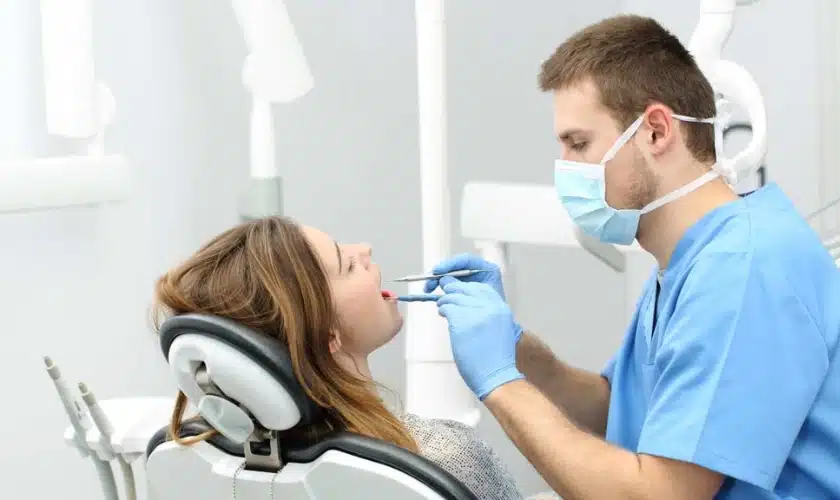
Dental implants have revolutionized the field of dentistry, offering a permanent solution for those dealing with tooth loss. These sophisticated devices not only restore function but also enhance the aesthetic appeal of a person’s smile. By mimicking the structure of natural teeth, dental implants provide a reliable and durable option that can significantly improve a patient’s quality of life, enabling them to eat, speak, and engage socially without the discomfort often associated with dentures or bridges.
In recent years, advancements in dental technology and techniques have made the implant procedure more efficient and accessible. Understanding the benefits, risks, and the specific process involved is crucial for anyone considering this treatment. In this article, we will explore the various aspects of dental implants, including the types available, the procedure from start to finish, and tips for successful long-term care, ensuring a comprehensive overview for potential candidates.
Types of Dental Implants
Dental implants come in various types to cater to different needs and preferences. The most common types include endosteal implants, which are placed directly into the jawbone, and subperiosteal implants, which sit atop the bone but beneath the gum tissue. Patients may also opt for mini implants, which are smaller in diameter and suitable for those with limited jawbone density. Additionally, implant-supported dentures offer a solution for those missing multiple teeth, providing stability and comfort. When considering your options, discussing with a specialist, such as those available at Dental implants Keene, can help identify the best fit for your unique situation.

Long-term Care and Maintenance
Ensuring the longevity of dental implants involves proper oral hygiene and regular dental check-ups. Like natural teeth, implants require daily brushing and flossing to prevent gum disease and maintain the health of surrounding tissues. Patients should also be mindful of their diet, avoiding excessively hard or sticky foods that could damage the implant. Regular visits to the dentist allow for timely assessments and any necessary adjustments, ensuring that the implants remain functional and aesthetically pleasing for years to come. By adhering to a good maintenance routine, implant recipients can enjoy the benefits of their new teeth while minimizing potential complications.
In conclusion, dental implants represent an innovative and effective solution for individuals seeking to overcome the challenges of tooth loss. As a lasting alternative to traditional dentures and bridges, they not only restore oral functionality but also contribute to enhanced self-esteem and overall quality of life. With various types available to suit individual needs and advancements in technology making the procedures more accessible, potential candidates can explore their options with confidence. By prioritizing oral hygiene and maintaining regular dental visits, implant recipients can ensure their dental implants remain a valuable asset for many years, allowing them to smile, eat, and engage with life fully and comfortably.